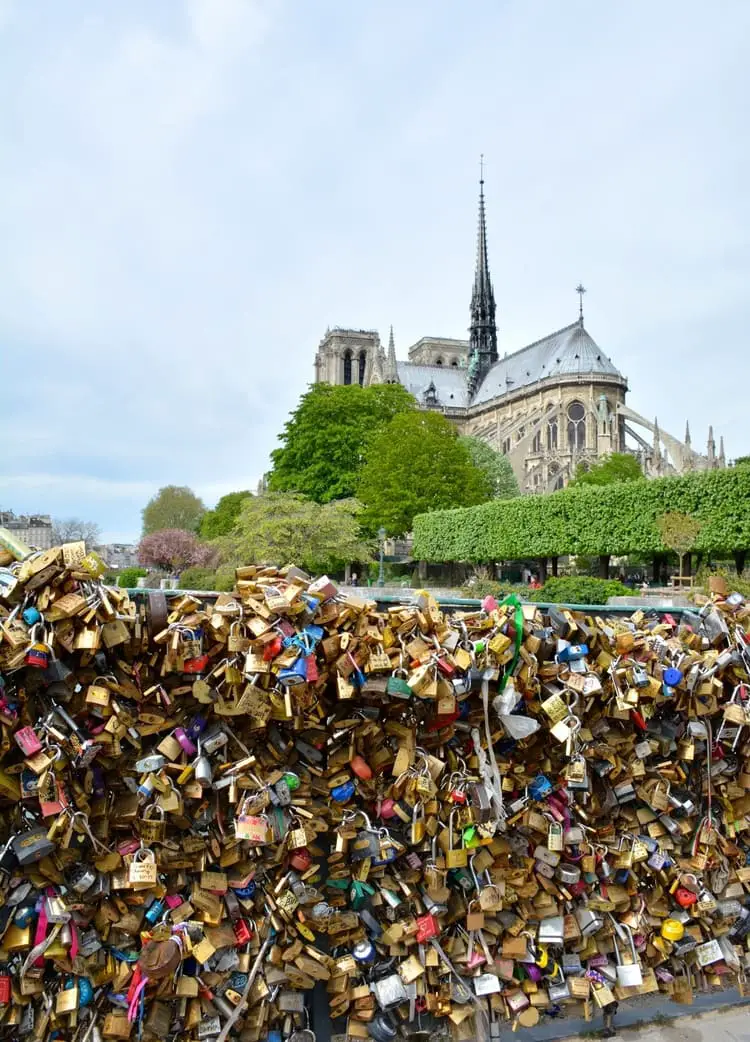
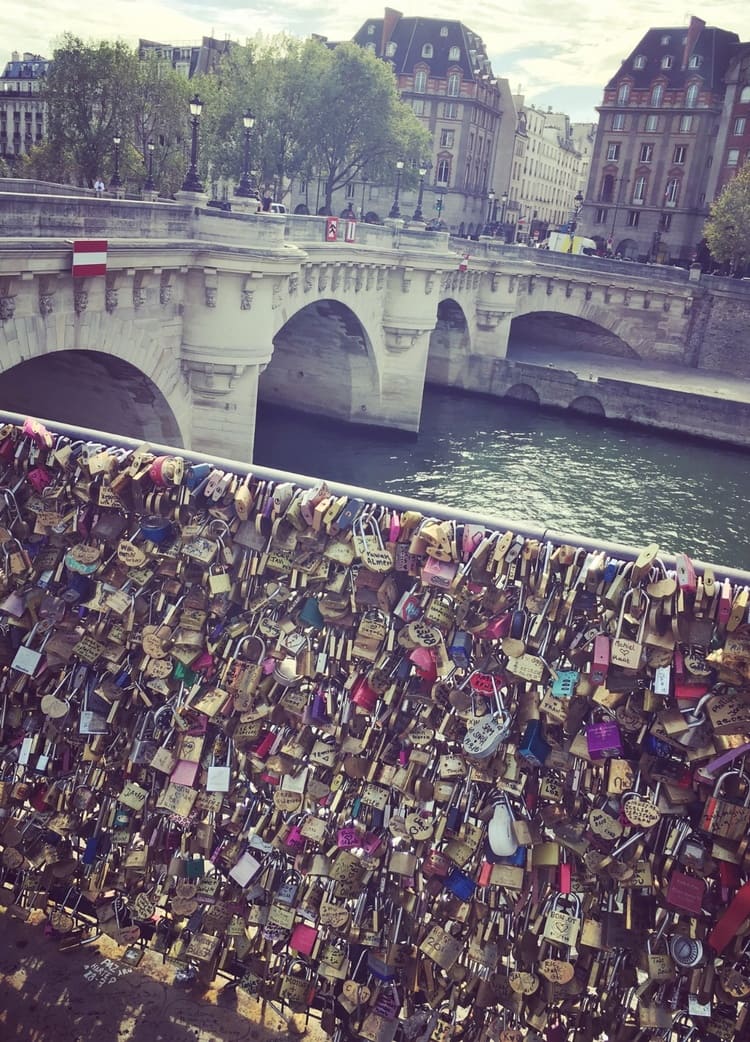
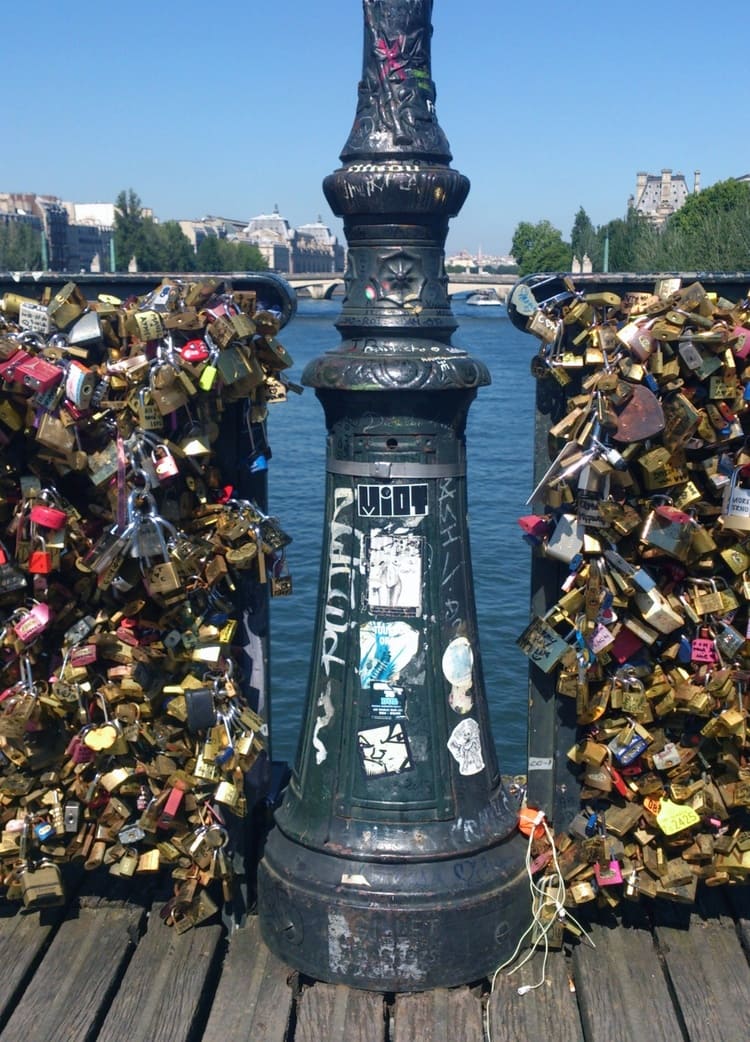
You’ve probably seen them—padlocks on Paris bridges, shining in the sun like tiny symbols of eternal love. The idea is sweet: write your names on a lock, attach it to a railing, throw the key in the Seine, and your love lasts forever.
But behind this romantic gesture hides a serious problem for the City of Light. Here’s what most people don’t know.
What Are Love Locks, and How Did They Start?
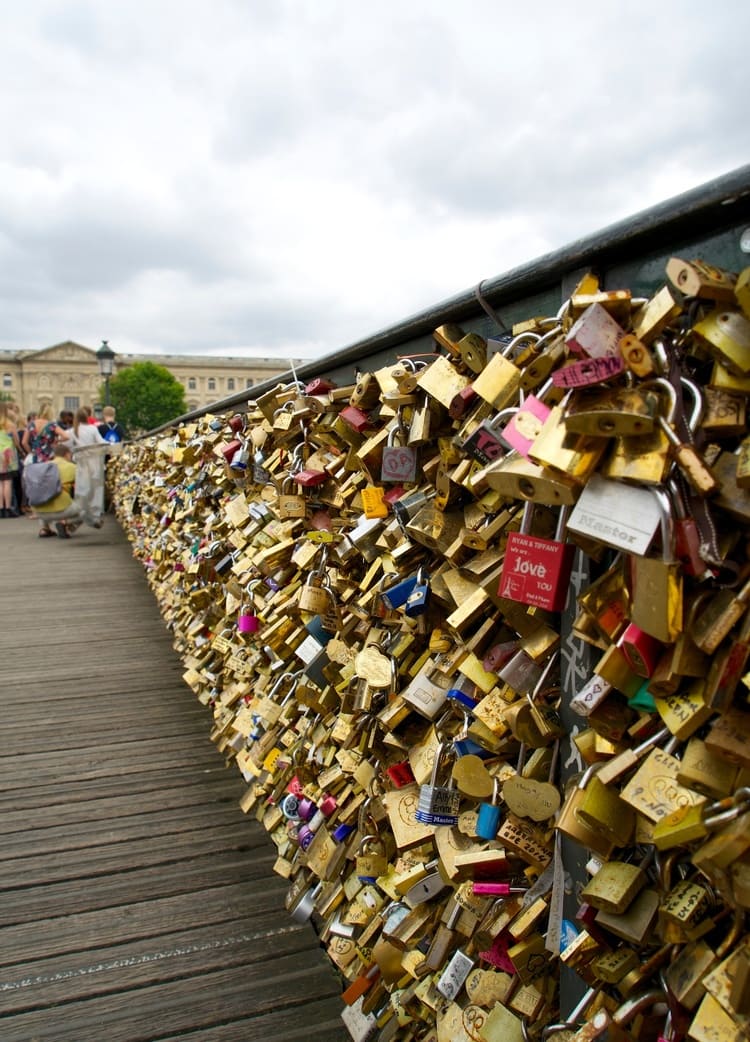
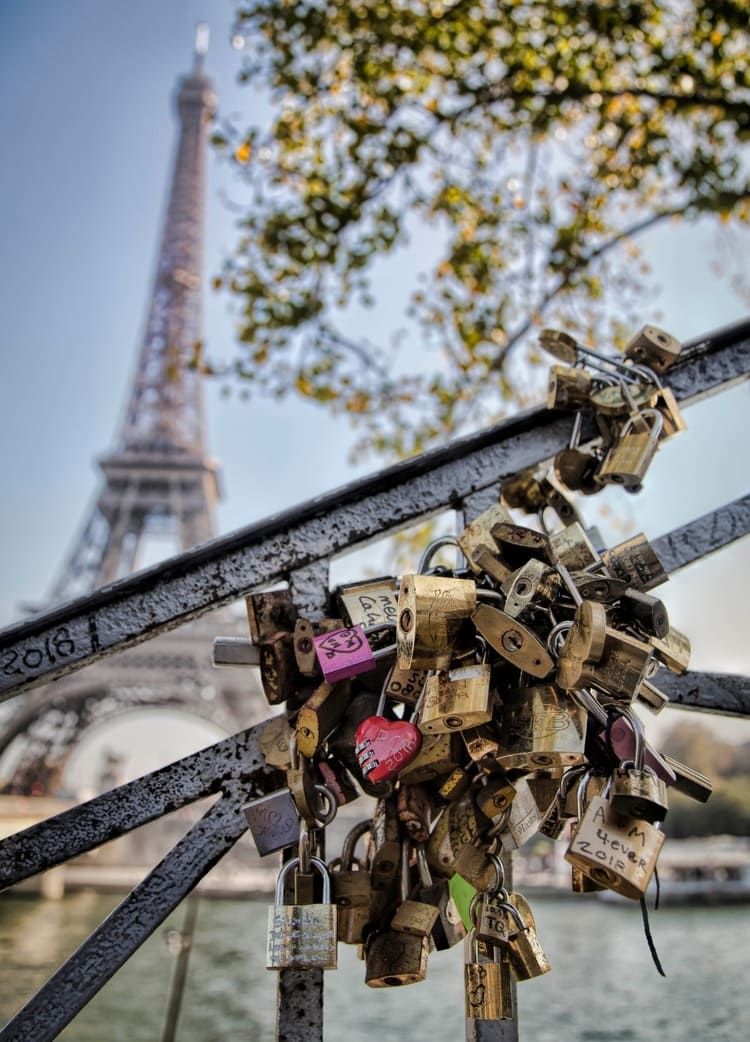
Love locks are padlocks that couples attach to bridges, fences, or gates to show their love. After locking it, they often throw the key into a river, thinking it means their love will last forever.
The tradition is believed to have started in Serbia during World War I. A schoolteacher named Nada fell in love with a soldier. When he left and never came back, she died of heartbreak. To honor her, other young women began writing their names and their sweethearts’ names on padlocks and attaching them to a bridge in their town.
This tradition slowly spread across Europe and reached Paris.
Around 2008, the Pont des Arts became the main spot for love locks in Paris.
Tourists from all over the world added their locks to the bridge and tossed their keys into the Seine.
In just a few years, the bridge became packed with metal love symbols, turning into a popular photo spot—but also, a problem.
Why Paris Is Saying “Non”
Love locks may look romantic, but they’ve caused big trouble in Paris.
Safety Concerns
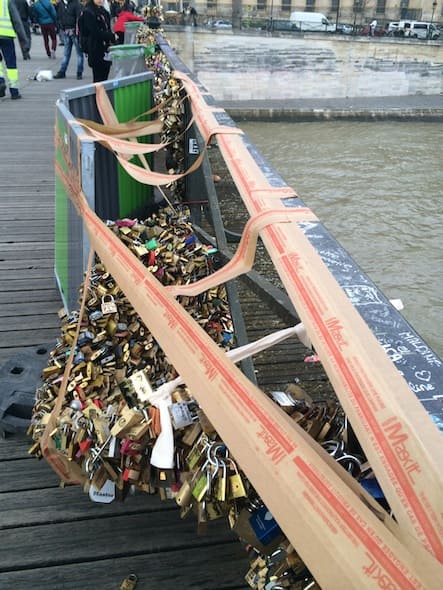
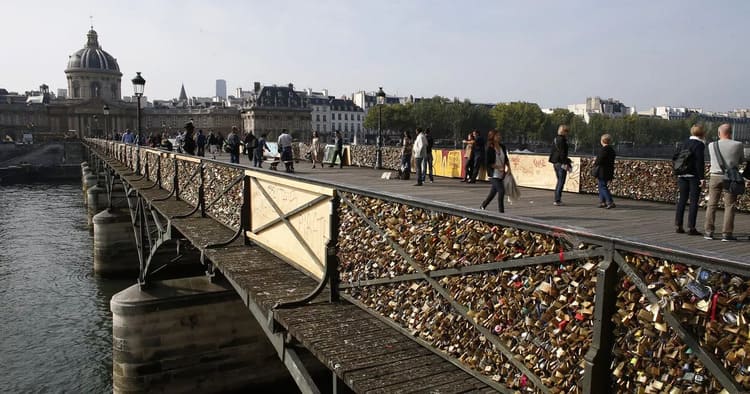
In 2014, part of the Pont des Arts railing actually collapsed because of the heavy weight.
The bridge had to be evacuated.
At one point, the total weight of the locks on the bridge was over 45 tons—that’s like 20 cars!
Environmental Impact
There’s also a problem with the keys.
Most couples throw them into the Seine River, which has led to an estimated two million keys sitting at the bottom.
These keys rust and release harmful metals into the water.
They can also clog drains and harm fish and other river life.
Aesthetic and Cultural Concerns
Many locals say the locks ruin the look of Paris’s historic spots.
This tradition only started in Paris recently—it’s not part of the city’s long history.
Some Parisians even see the locks as a kind of vandalism.
Because of all this, the city has decided it’s time to stop.
What’s Being Done to Stop Them
Paris has worked hard to fix the damage caused by love locks.
Removing the Locks
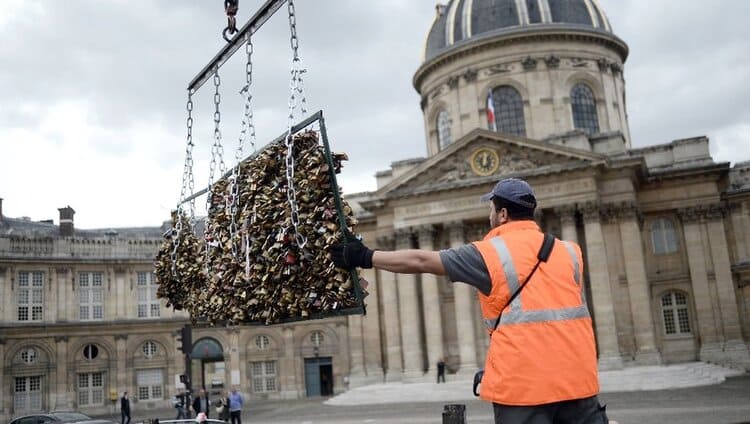
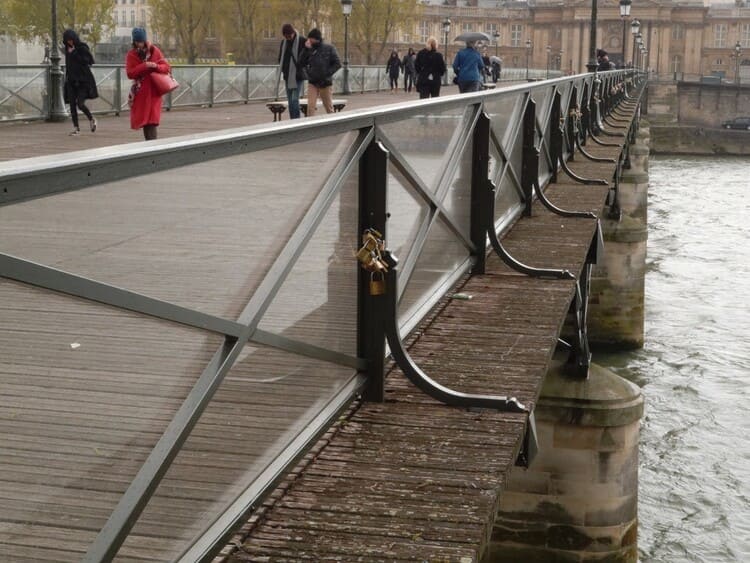
In 2015, city workers removed around 45 tons of locks from the Pont des Arts.
The old metal railings were replaced with glass panels that can’t hold locks anymore.
Encouraging Alternative Expressions of Love
The city also started a campaign called “Love Without Locks.”
It asks couples to take selfies or post messages online instead of attaching padlocks.
The idea is to keep the love, but lose the damage.
Repurposing Removed Locks for Charity
In 2017, the city sold off some of the removed locks at auction.
The money—over $270,000—was given to local charities that help refugees.
So even though the locks caused problems, they ended up doing some good.
What You Can Do Instead
If you’re visiting Paris and want to show your love, there are better (and more Paris-friendly) ways to do it.
- Take a Romantic Photo: Snap a picture together at the Eiffel Tower, Montmartre, or along the Seine. A photo lasts forever—and doesn’t hurt a bridge.
- Write a Love Letter: Exchange a handwritten note. It’s sweet, timeless, and easy to save.
- Enjoy a Picnic: Pack lunch and head to a park like the Luxembourg Gardens or Buttes-Chaumont for a peaceful, romantic afternoon.
- Create a Memory: Try a cooking class, visit a museum, or take a boat ride on the Seine. New experiences make the best souvenirs.
By choosing these simple, meaningful alternatives, you can still celebrate your love—while helping protect one of the world’s most beautiful cities.
Let’s keep Paris charming, safe, and special for everyone.

With a passion for travel and having visited over 50 countries, Dorian is eager to share his favorite spots and expert tips to help you explore Paris and France like a local.