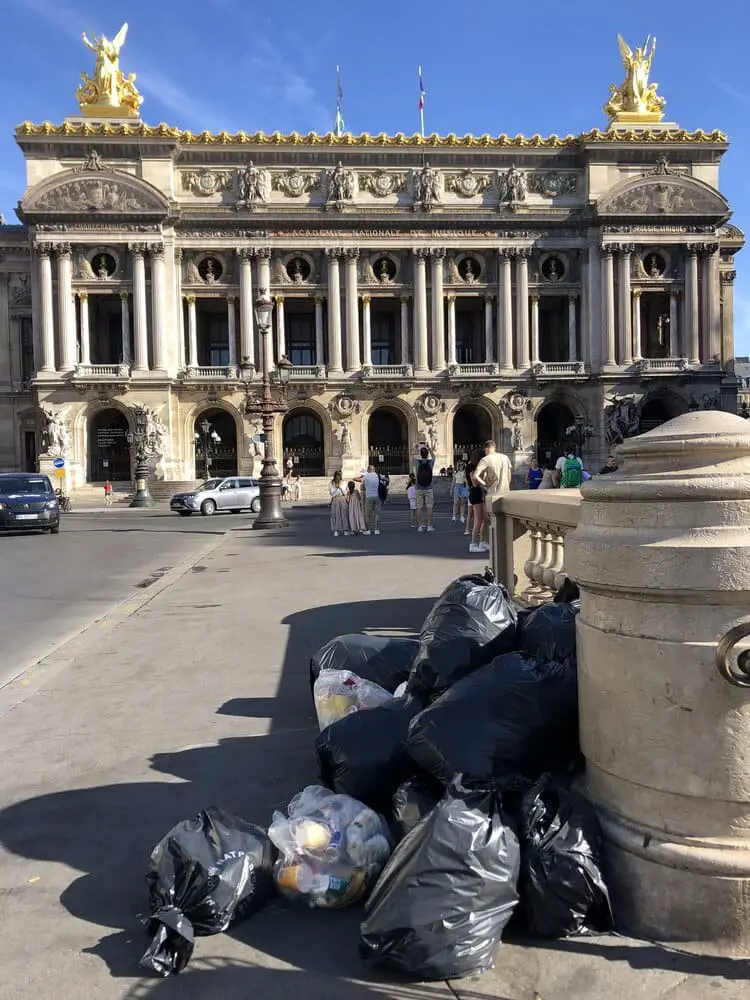
Paris is one of the most famous cities in the world, but there are a lot of things you won’t find in guidebooks. From small surprises to unexpected tips, my list covers what first-time visitors (and even regulars) wish they knew earlier.
1. Metro Stations Don’t Always Have Elevators or Escalators
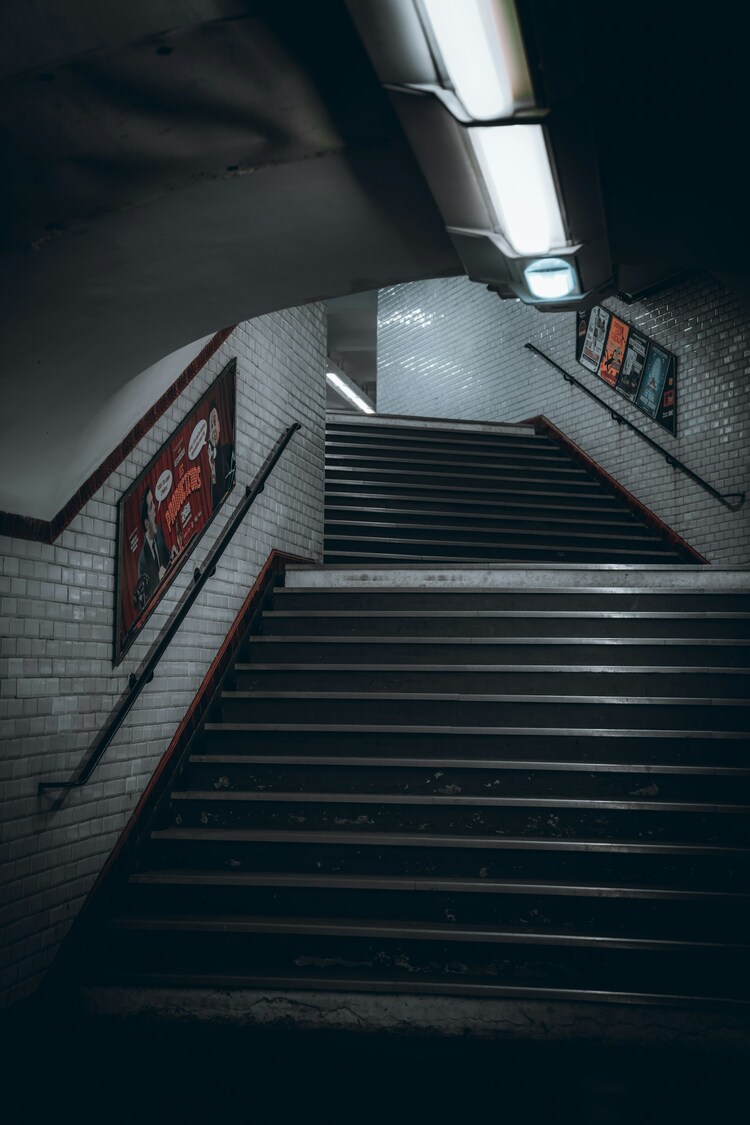
Most Paris Metro stops were built long before suitcases had wheels.
About two-thirds of stations have escalators, but escalators don’t mean stair-free — you’ll often still hit a short flight somewhere in the same station.
Elevators are rarer: only Line 14 is fully accessible end-to-end.
If stairs are a concern, check the RATP website before you go — it has a live tool showing which elevators are working that day.
2. Pickpockets Are Real—and They’re Often Kids
Pickpockets in Paris act like street magicians: quick hands, charming smiles, unexpected assistants.
Many are teenagers working in groups near ticket machines, busy corridors, or crowded selfie spots.
They distract you with petitions or jokes while another hand explores your backpack.
Keep valuables zipped inside an inner pocket and hold your phone with the same grip you’d use on an ice-cream cone.
If someone gets too friendly, step aside and give a firm but polite “Non.”
3. Taxis Often Don’t Stop If You Hail Them on the Street
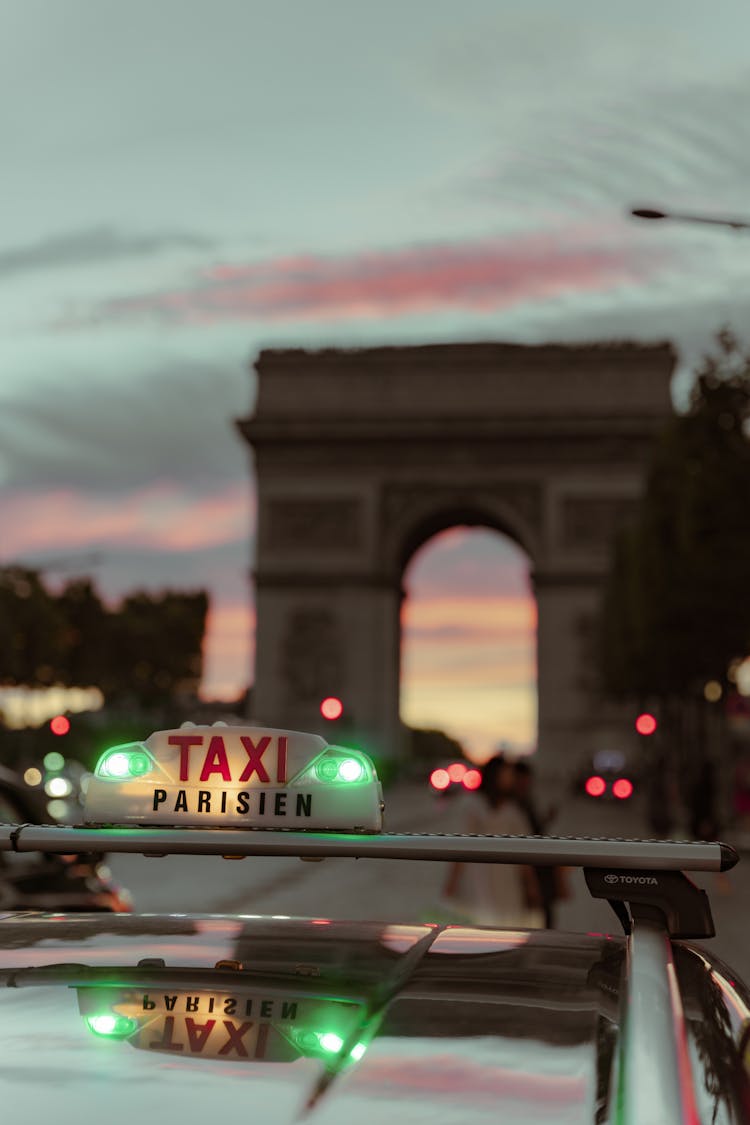
In Paris, flagging a cab is not like in New York movies.
Taxis can only pick up passengers if their roof light glows green and they’re away from a taxi rank.
Many drivers avoid random stops to dodge traffic fines.
Instead, look for official stands near big squares, train stations, or hotels.
The free G7 or FreeNow app works in English and shows the fare before you ride, so you skip the arm-waving marathon entirely.
4. The “Paris Syndrome” Is a Real Phenomenon for Some
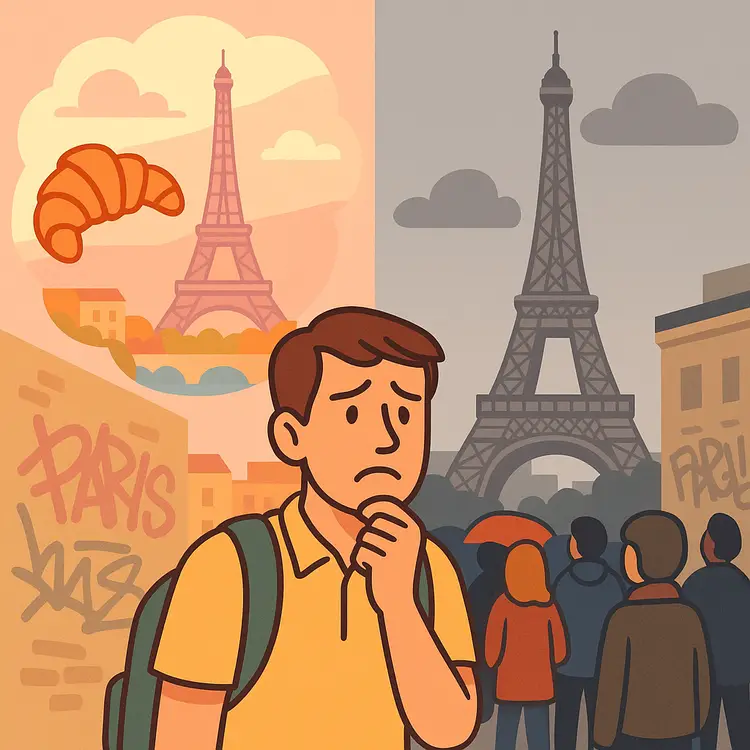
Some visitors arrive expecting every street to look like a perfume ad—rosy sunsets, empty cafés, accordion music.
When reality shows graffiti, drizzle, or grumpy commuters, they feel disappointed or even dizzy.
Doctors call this “Paris Syndrome.” It’s rare but real. The cure is simple: swap perfection for curiosity.
Notice the gargoyle drainpipes, taste buttery baguettes warm from the oven, and laugh when a scooter zooms past.
Real cities are messy, noisy, and completely wonderful.
5. Even Small Cafés Can Have Incredibly Delicious Food
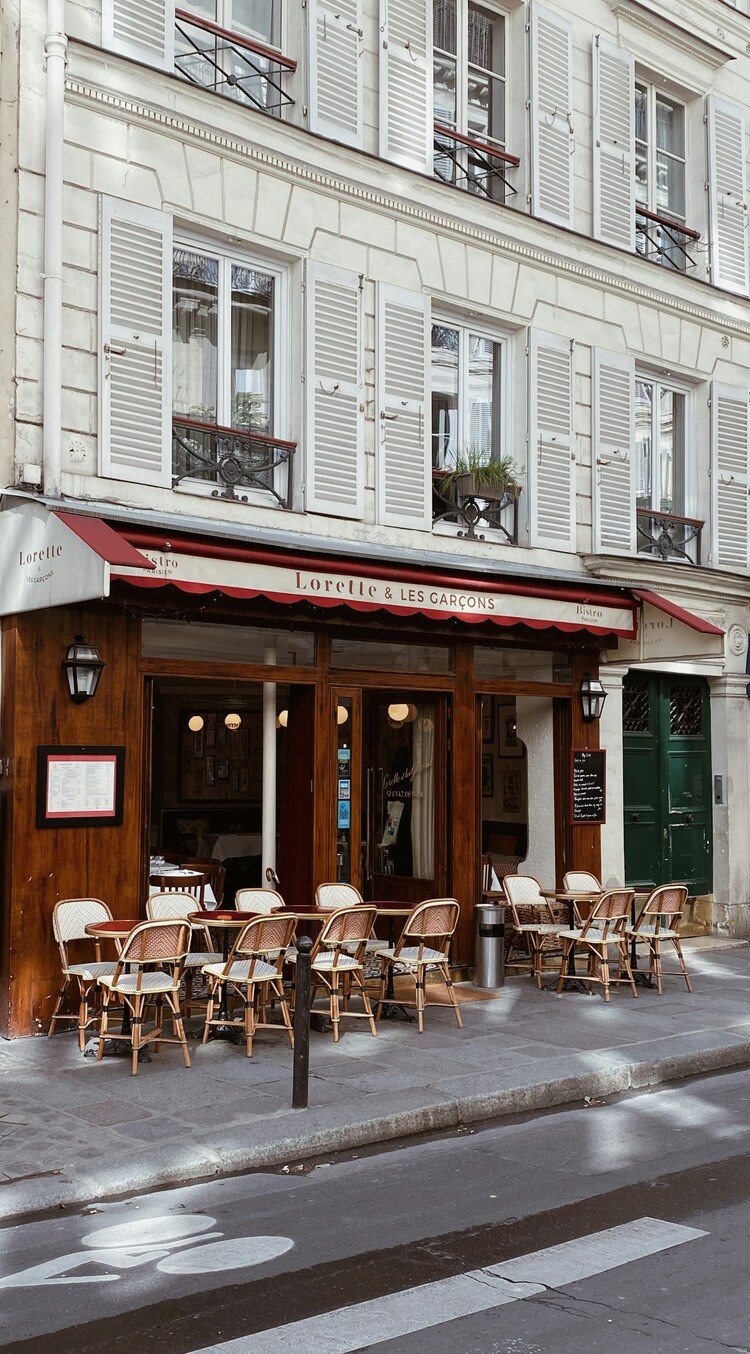
Never judge a Paris café by how fancy its chairs look.
A hole-in-the-wall spot run by one chef and a dishwasher can surprise you with a flaky quiche, homemade jam, or hot chocolate so thick it coats the spoon.
Locals hunt these small gems because prices are lower and smiles bigger.
If the daily menu—called a “formule”—is written in chalk, that’s a good sign. Grab a table, say “Bonjour,” and taste something new.
6. The Metro Smells Distinctly Unique (and Not Always Pleasant)
The Metro greets your nose before your eyes: a mix of warm brakes, old stone, perfume, and sometimes yesterday’s baguette.
The scent might make you wrinkle your face, but don’t worry—millions ride daily without harm.
If it bothers you, carry a small pack of tissues scented with lavender or mint.
Breathing through your mouth helps on hotter days.
The upside?
Those same tunnels keep you dry when sudden Paris rain pours above.
7. Many Restaurants Close Between Lunch and Dinner
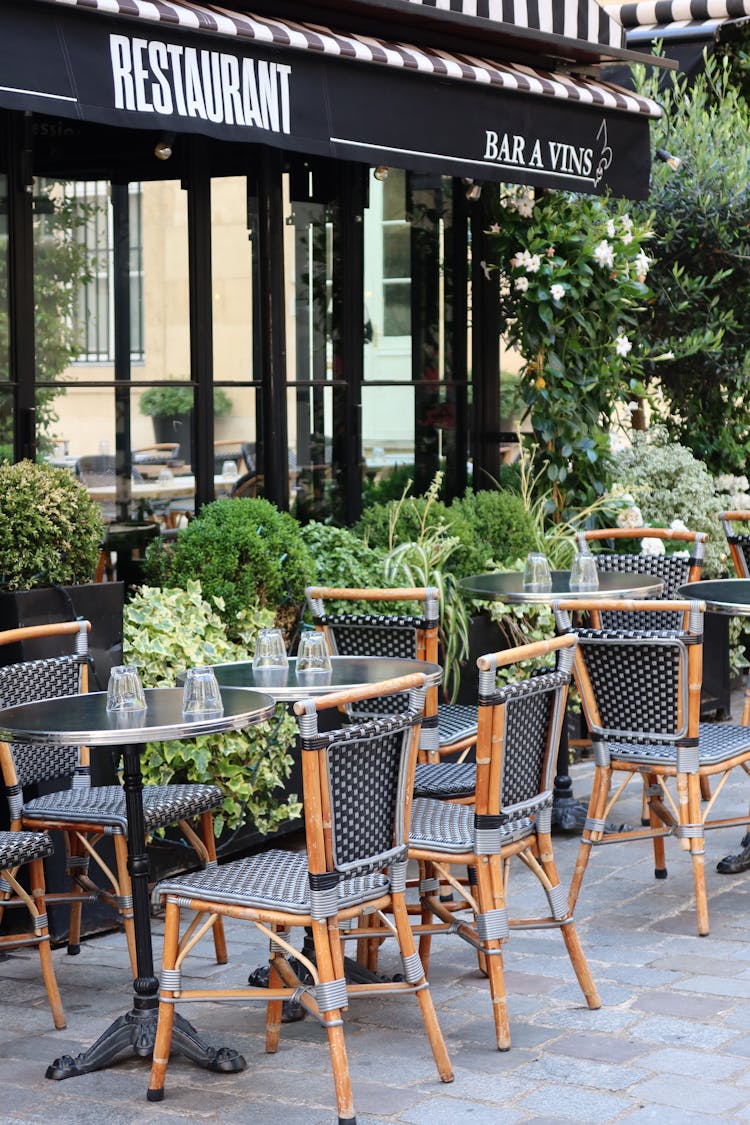
French meal times follow a steady rhythm: lunch rush at noon, a quiet kitchen nap afterward, dinner heating up around 7 p.m.
Between 2 and 7, many restaurants lock doors, clean pots, and rest staff feet.
Arrive at 3 and you’ll meet a shrug. Keep hunger away by stocking a baguette sandwich from a bakery or nibbling on fruit from a market.
Remember: the wait pays off, because fresh plates reappear with evening energy.
8. The Eiffel Tower Sparkles Only at Night—And for 5 Minutes Each Hour
The Iron Lady wears her glitter dress only after sunset.
Starting at nightfall, tiny bulbs flash for exactly five minutes at the top of each hour until 1 a.m. (2 a.m. in summer).
The rest of the time, she stays gently lit but not sparkling.
Arrive fifteen minutes early, pick a spot on the Trocadéro steps or the Champ-de-Mars lawn, and set your camera to video mode—you don’t get a second take once the show ends.
9. Parisians Do Say Hello (and Expect You To Do the Same)
In Paris, politeness opens doors faster than any key.
When you walk into a shop, lift, or even the doctor’s waiting room, saying a clear “Bonjour, madame / monsieur” is standard, not optional.
Skipping it can feel rude, like barging into someone’s living room.
The same rule applies when you ask for directions or order croissants.
Add a smile and eye contact; suddenly Parisians seem friendly, because they see you acting friendly first.
10. Many Museums Are Closed on Mondays or Tuesdays
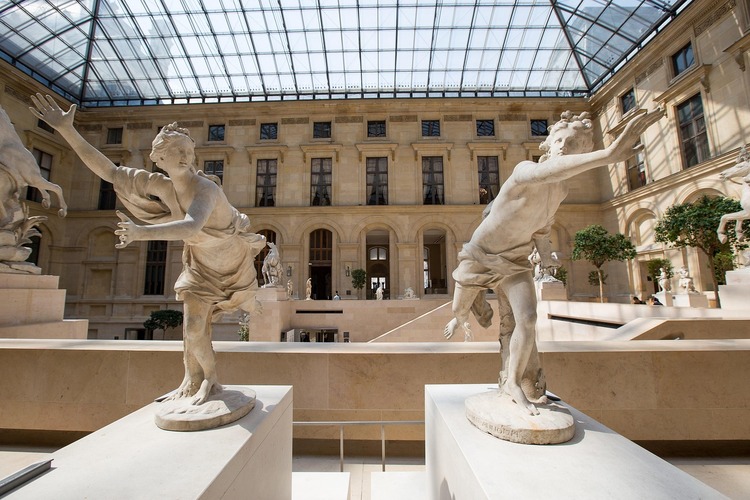
Paris museums need rest days just like artists.
Some giants—like the Louvre—stay shut on Tuesday, while others, such as Musée d’Orsay, close Monday.
Smaller galleries pick one day too. If you plan poorly, you might zig-zag across town to find locked gates.
Check official websites or use a free app like “Paris Museum Pass” before setting off.
Planning saves time, metro tickets, and disappointed faces pressed against glass doors.
11. You Can Drink Tap Water—Even From the Fountains
No need to lug plastic bottles around.
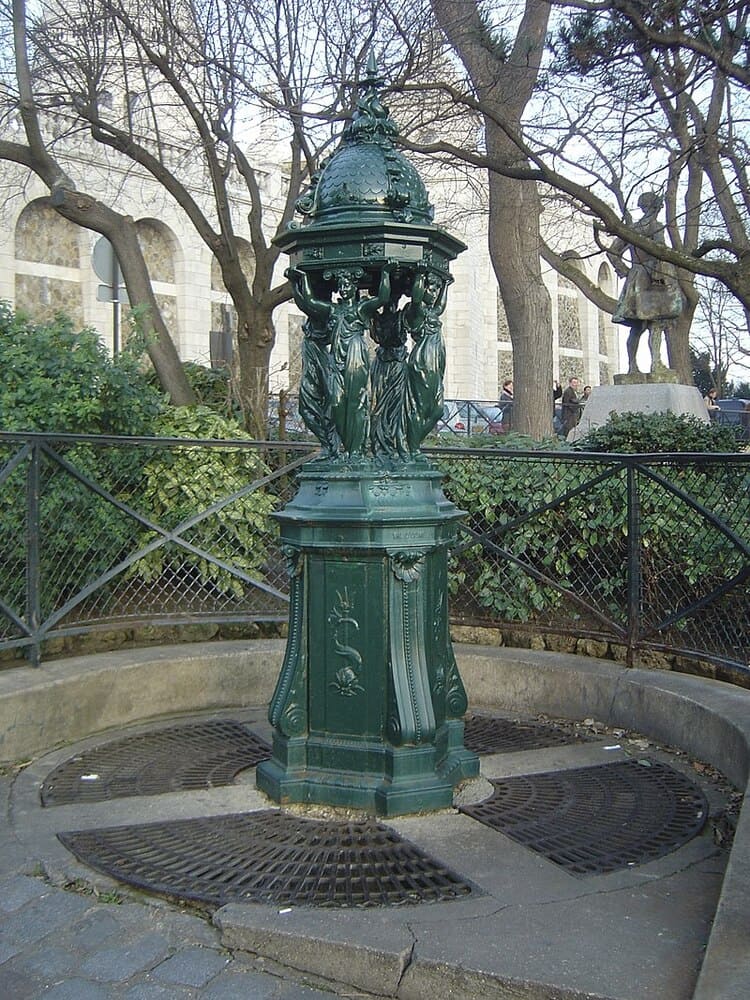
Paris tap water meets strict safety rules, and many street fountains marked “Eau potable” provide a cool refill.
In warm months, look for the playful Wallace fountains—green cast-iron statues pouring streams into cups.
Bring a reusable bottle, push the lever, and drink like a local.
You’ll save money, reduce waste, and have extra room in your backpack for macarons instead of heavy water.
12. Picnicking by the Seine Is Totally Normal
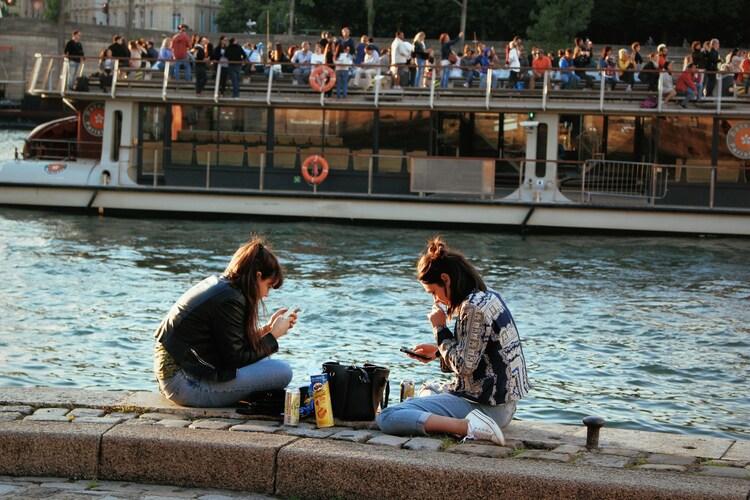
Parisians treat the Seine’s stone quays like an endless living-room sofa.
On sunny evenings, families, students, and musicians spread blankets, slice cheese, and watch tour boats glide past.
You can join them for the price of bread, grapes, and sparkling water from a supermarket.
Remember to pack napkins and a small trash bag; leaving litter is frowned upon.
As night falls, bridges light up, turning your simple picnic into postcard magic.
13. English Is Common, But a Few French Words Go a Long Way
Many Parisians studied English at school and can help if you’re stuck, yet starting any chat in French shows respect.
Learn five easy words: “bonjour” (hello), “s’il vous plaît” (please), “merci” (thanks), “désolé” (sorry), and “au revoir” (good-bye).
Say them clearly, and even nervous speakers will smile and switch to English if needed.
Bus signs and menus often have translations, but street markets don’t—another reason to practice those magic phrases.
14. Air Conditioning Is Rare (Even in Hotels)
Hot July day? Don’t expect icy indoor blasts.
Many Parisian buildings are over a century old and weren’t built for modern air-conditioning units.
Budget hotels may only offer a small fan; historic museums rely on thick stone walls to stay cool.
Pack light, breathable clothes, a foldable hand fan, and fill your water bottle often.
At night, open windows but use the provided shutters to block street noise and early sunshine.
15. Summer Crowds Are No Joke—So Are Strikes
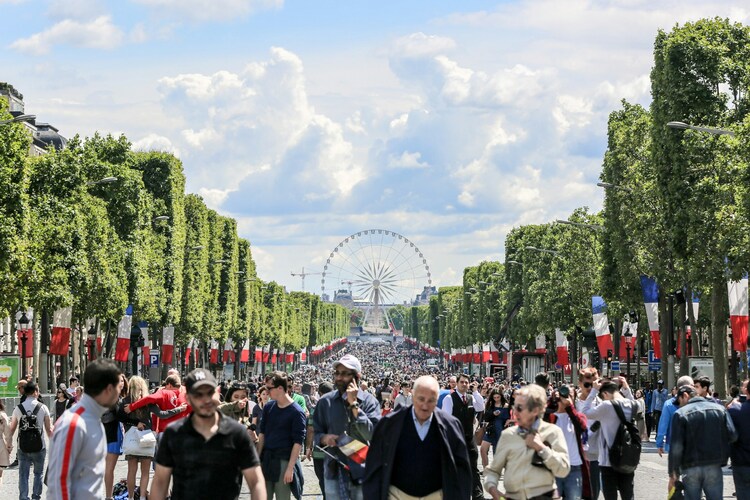
July and August swell with tourists, turning famous sights into human bumper-cars.
Arrive at opening time, buy skip-the-line tickets, and pack patience.
On top of crowds, France’s love of striking can pause trains, buses, or museums with little warning.
Download the free “Île-de-France Mobilités” app to watch live alerts.
Always have a Plan B—like visiting a park—so a sudden work stoppage feels like a detour, not a disaster.
16. You Might Need to Book Museum Tickets in Advance
Big hitters such as the Louvre, Orsay, and Sainte-Chapelle sell timed tickets online and can fill days ahead.
Without one, you may face lines longer than a roller coaster on a holiday weekend.
Reserve on official sites, screenshot the QR code, and arrive within your 30-minute slot.
Some smaller places, like the Catacombs, also require booking.
Last-minute? Check evening openings; late hours often have more space and gentler crowds.
17. The Paris Metro Is Cheap, Fast, and Can Be Confusing at First
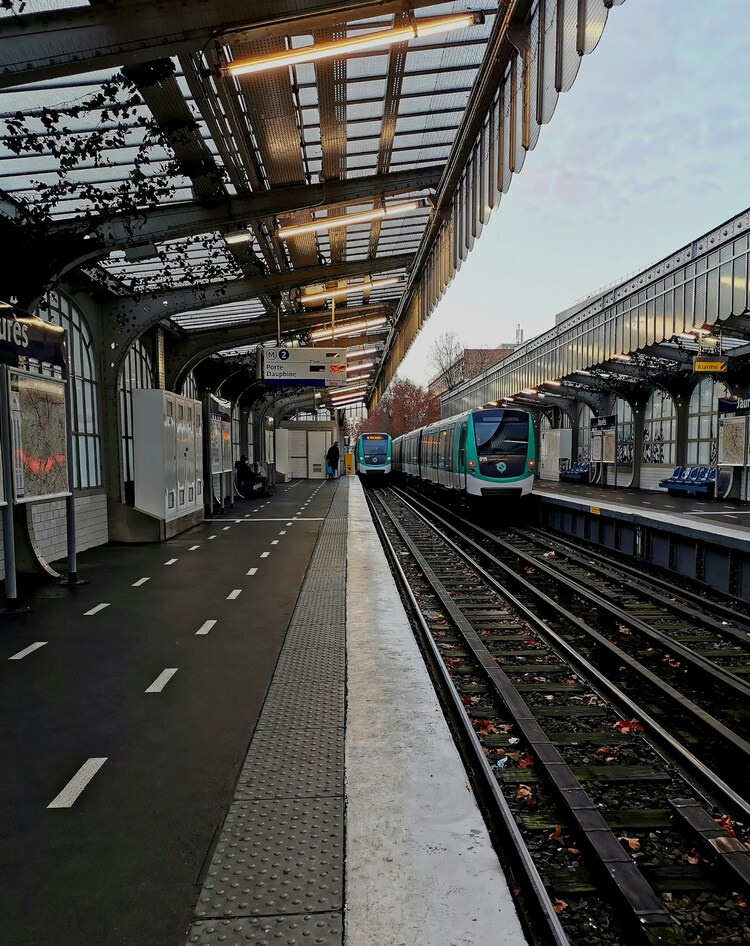
One ticket costs about the price of a croissant and covers the whole central network, but 16 lines twist like spaghetti.
Trains list their final station (not compass direction), so know the terminus you need.
Platforms display minutes until arrival.
Practice one short ride and confidence arrives by the second.
Paper tickets disappeared from Paris stations in November 2025 — for good. Every visitor now needs a Navigo Easy card (€2 at any station machine) or the Île-de-France Mobilités app on their phone. Load it with trips or a pass, tap at the turnstile, done. A single Metro or RER trip anywhere in the region costs a flat €2.50, no zone surcharges, no demagnetized strips.
18. Coffee Is Served Tiny and Strong; Expect Espresso
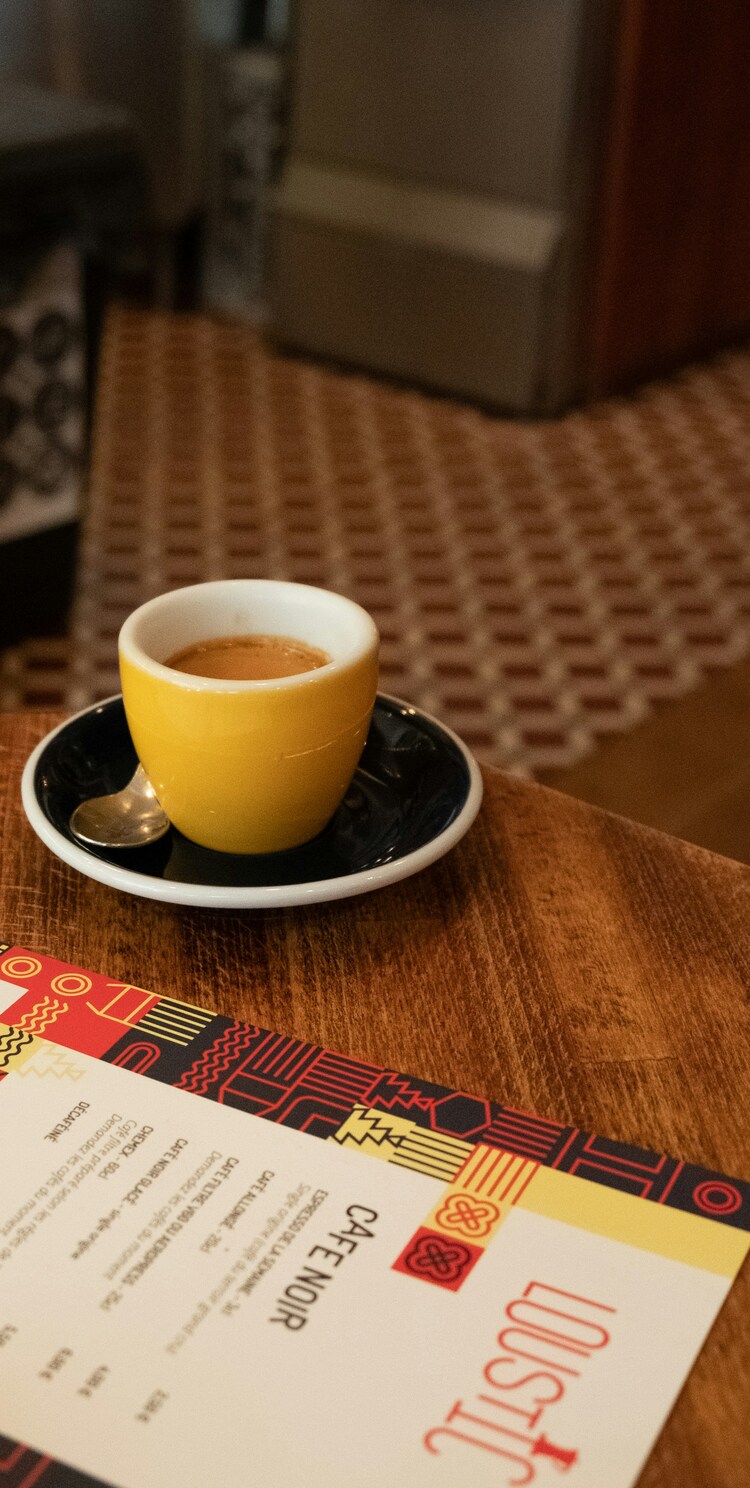
Ask for “un café” and you’ll get an espresso shot barely bigger than a thumb, meant to sip while standing at the bar.
Want it longer? Say “café allongé.”
Crave milk? Request “café crème” or “cappuccino,” but expect smaller foam art than back home.
Refills are rare; order another cup instead.
Prices drop if you drink at the counter instead of sitting.
Pair it with a pain au chocolat and feel instantly Parisian.
19. You Don’t Have To Tip Much—But It’s Still Nice
French restaurant bills already include a service charge, so staff receive wages even if you leave nothing extra.
Still, locals often round up coins or add about 5 % for friendly service.
For example, on a €9.60 bill, toss in a €10 note and say “gardez la monnaie” (keep the change).
Hotel porters appreciate €1-2 per bag, and taxi drivers smile at rounding to the next euro.
Small gestures earn big gratitude.
20. The Best Paris Moments Are Often the Quiet Ones Off the Main Path
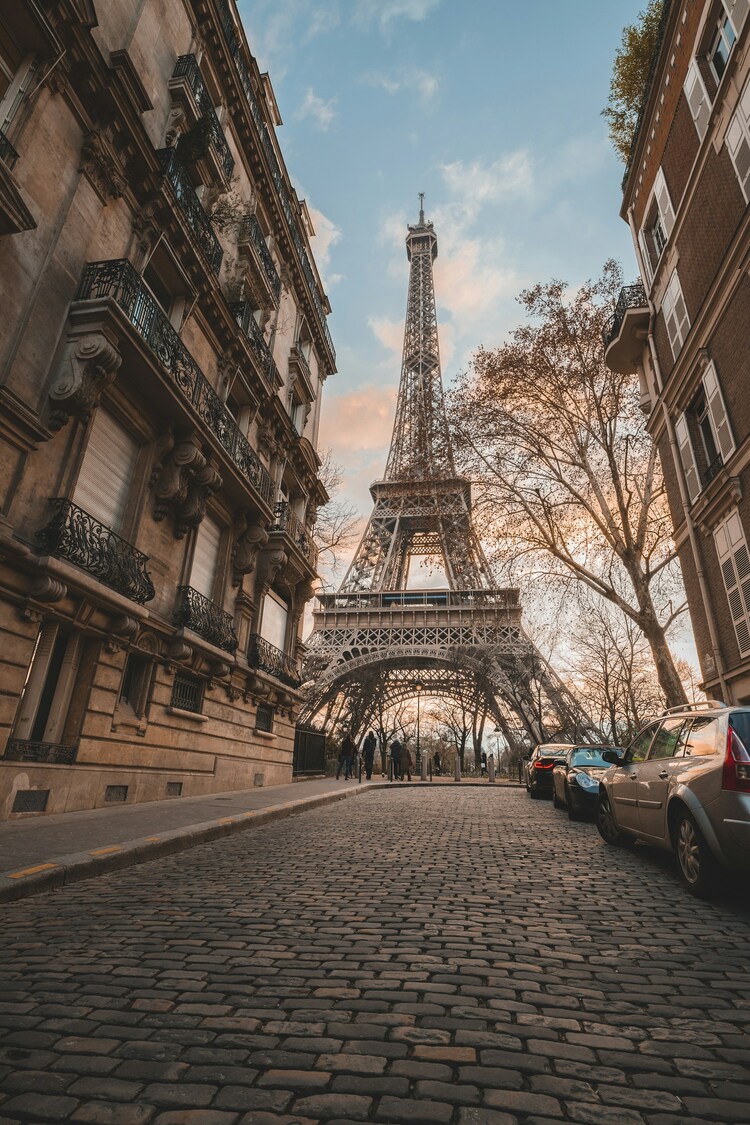
Step two streets away from Notre-Dame and suddenly you’re alone with window boxes and birdsong.
Explore Canal Saint-Martin at dawn, poke into a used-book stall, or sit on a hidden square like Place Dauphine with an ice-cream cone.
These calm pockets reveal everyday Paris—grandmothers chatting, artists sketching, kids playing pétanque.
Keep your schedule flexible so you can follow a tempting aroma or a pretty alley whenever curiosity tugs your sleeve.
21. You’ll Leave Wanting to Come Back Immediately
Paris works like a cliff-hanger ending: just as you learn the Metro map and find a favorite baguette, the airplane ticket says it’s time to go.
Capture ideas in a notebook—“next time: rooftop of Printemps, bike ride in Bois de Vincennes, sunset from Parc de Belleville.”
Leaving with unfinished plans turns wistful sighs into excitement for a return trip.
The city’s magic is endless; consider this visit Part One of an ongoing series.

With a passion for travel and having visited over 50 countries, Dorian is eager to share his favorite spots and expert tips to help you explore Paris and France like a local.